Wonderfuel Issue Number 19 – The joy of getting things completely and utterly wrong

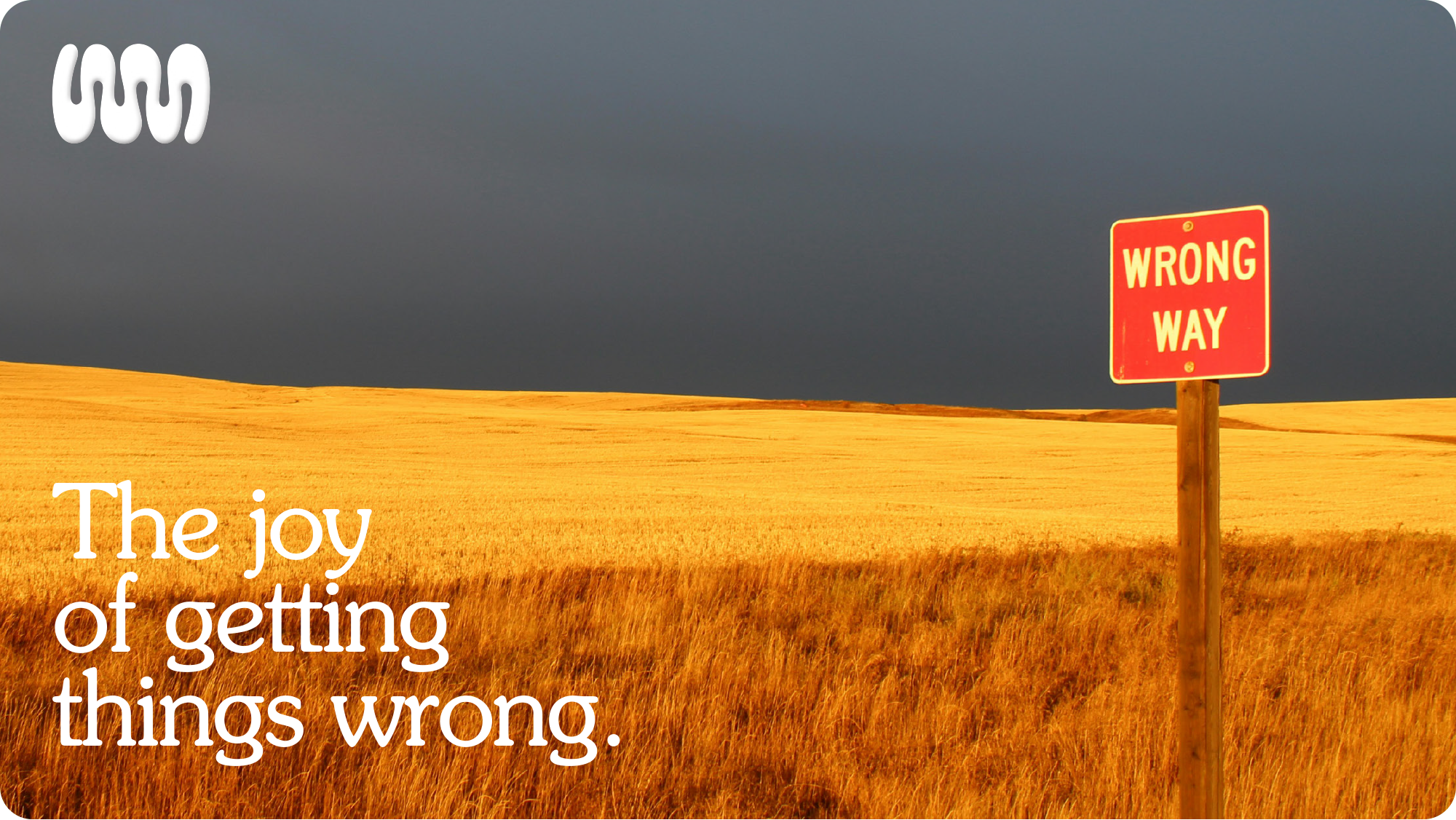
We all avoid getting things wrong like the plague. So nobody talks about how good it feels when we do.
The moment you realise you’ve got something really, genuinely wrong, the world doesn’t end. The sky stays exactly where it was. And underneath the hot flush of panic, once it subsides, there’s something else. Something quieter. Something that feels, oddly, like relief.
You got it wrong. You survived it. That’s enormous.
We spend so much time and energy trying not to get things wrong that we forget to notice what getting things wrong actually does. It teaches you things nothing else can. It introduces you to the version of yourself that coped, the one that picked itself up, dusted itself off and figured out what to do next.
And here’s the thing, sometimes the wrong turn finds the better route. The failed pitch refines the idea. The typo opens a door. The decision that felt catastrophic on Tuesday turns out, by Friday, to have been the right one all along. Getting things wrong can be quietly, unexpectedly useful.
There’s a particular freedom in it too. Once you’ve got something genuinely, visibly wrong and lived to tell the tale, you realise it was never as permanent as it felt. That most mistakes are edits, not endings.
The people worth watching aren’t the ones who never get it wrong. They’re the ones who get it wrong, own it completely and come back with something better. That’s not failure. That’s how you find out what right actually looks like.
Get it wrong enough times and you’ll eventually get it magnificently right.
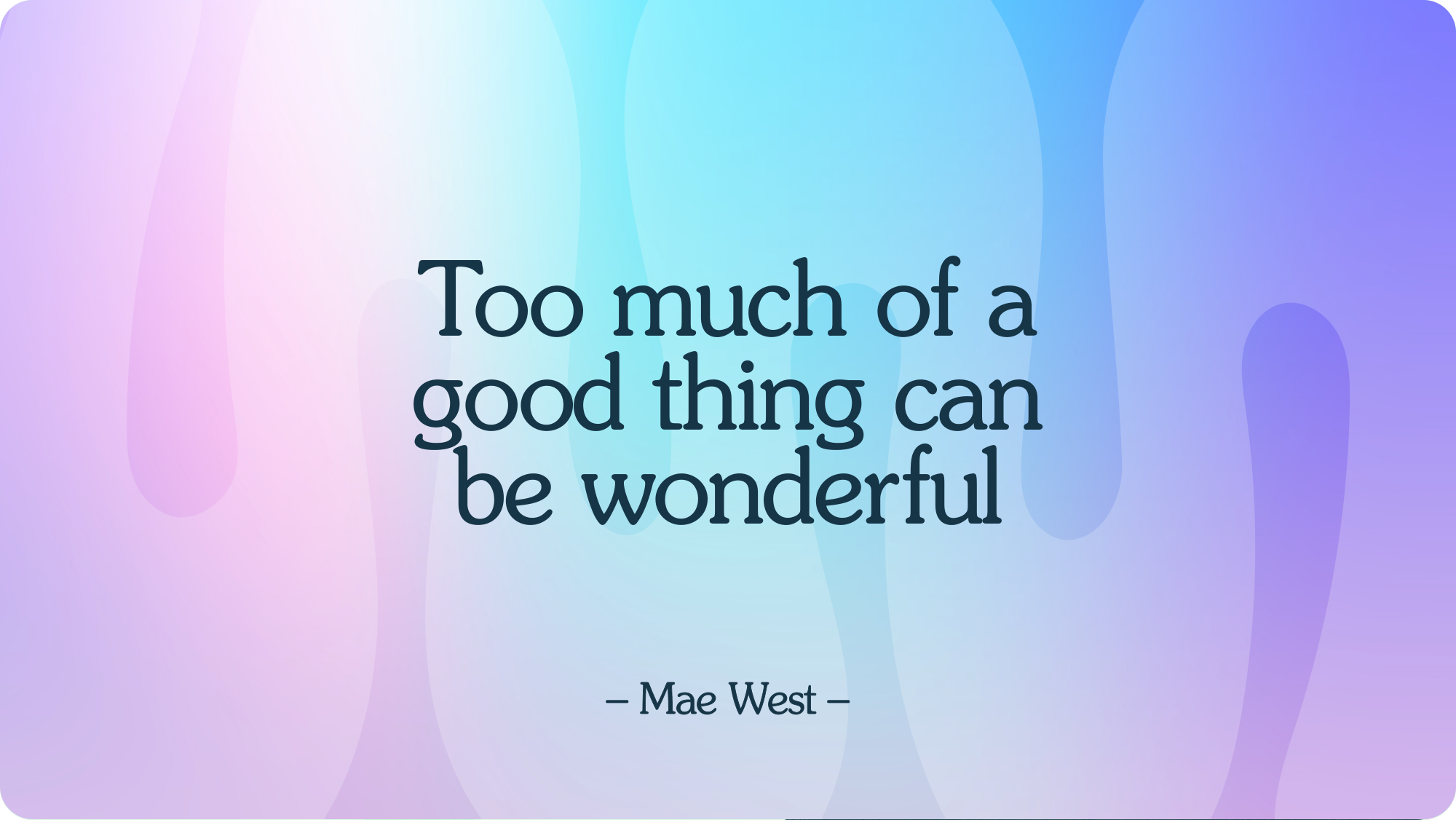
// Quote of the week //
// The founder diary //
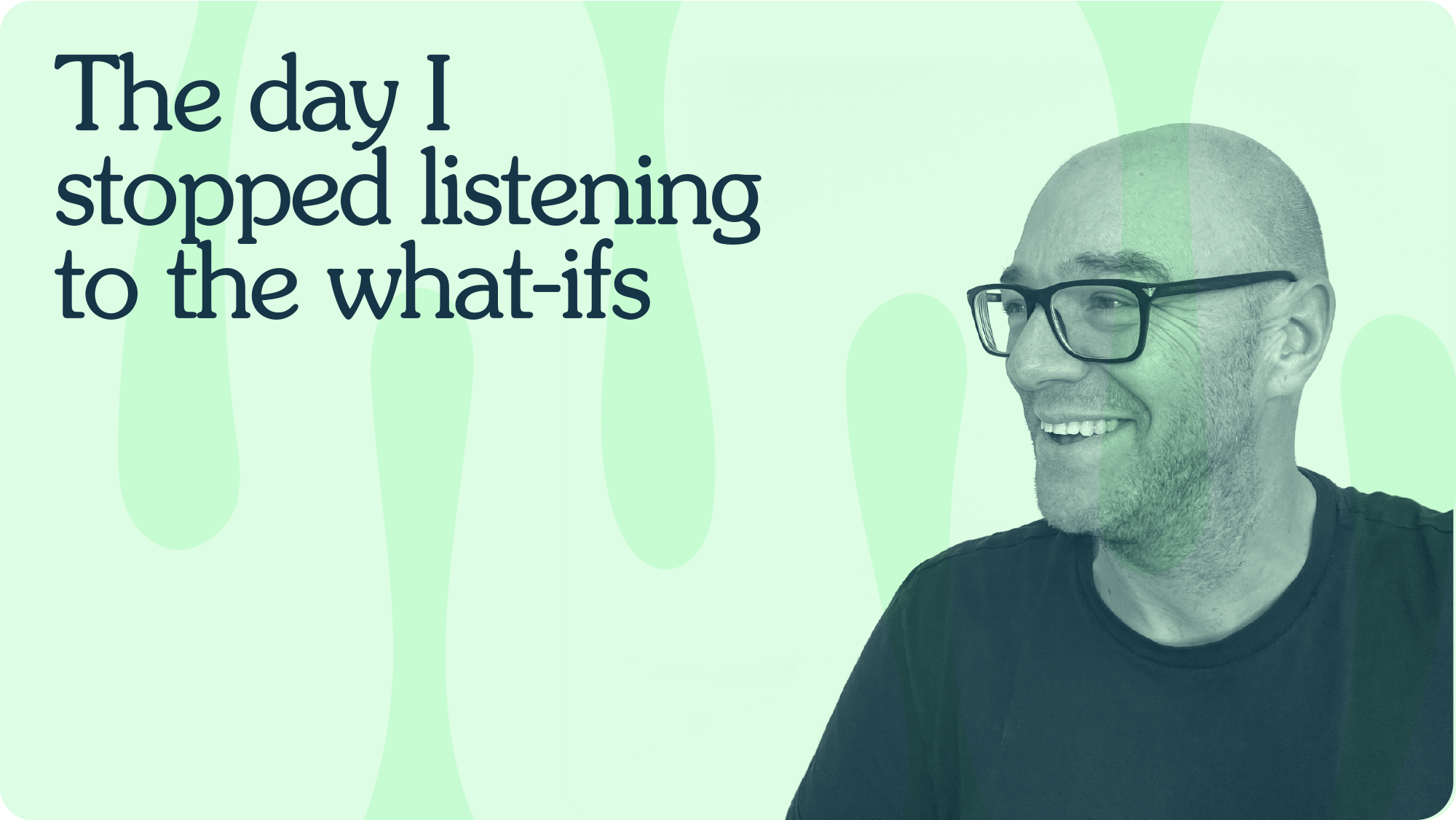
You can’t properly build something if you’re not properly focused on building it.
The first year of Wonderment was extraordinary. I’d managed to dovetail working on all things Wondermental with my direct clients, while still contracting for other brilliant creative agencies to top up the kitty. Most of those contracts needed my full attention and long days. But it started to feel like my dream of working only on Wonderment projects just wasn’t getting any closer.
But it was way closer than I realised.
The time had come. I needed to make the jump. The only thing holding me back? Money. And the what-ifs. What if there isn’t enough? What if I can’t pay myself? What if I’ve got this completely wrong?
I felt a little like Felix Baumgartner, standing in the door of his space capsule 24 miles above the Earth, trying to remember why this had seemed like a good idea.
But here’s what I knew. I wasn’t severing anything. The relationships with other agencies weren’t disappearing, they were just moving to a different shelf. What I was doing was finally putting Wonderment first. Fully. Properly. Without the safety net I’d been using as an excuse to stay where I was.
So I jumped.
// The joyful brand – Bounty //
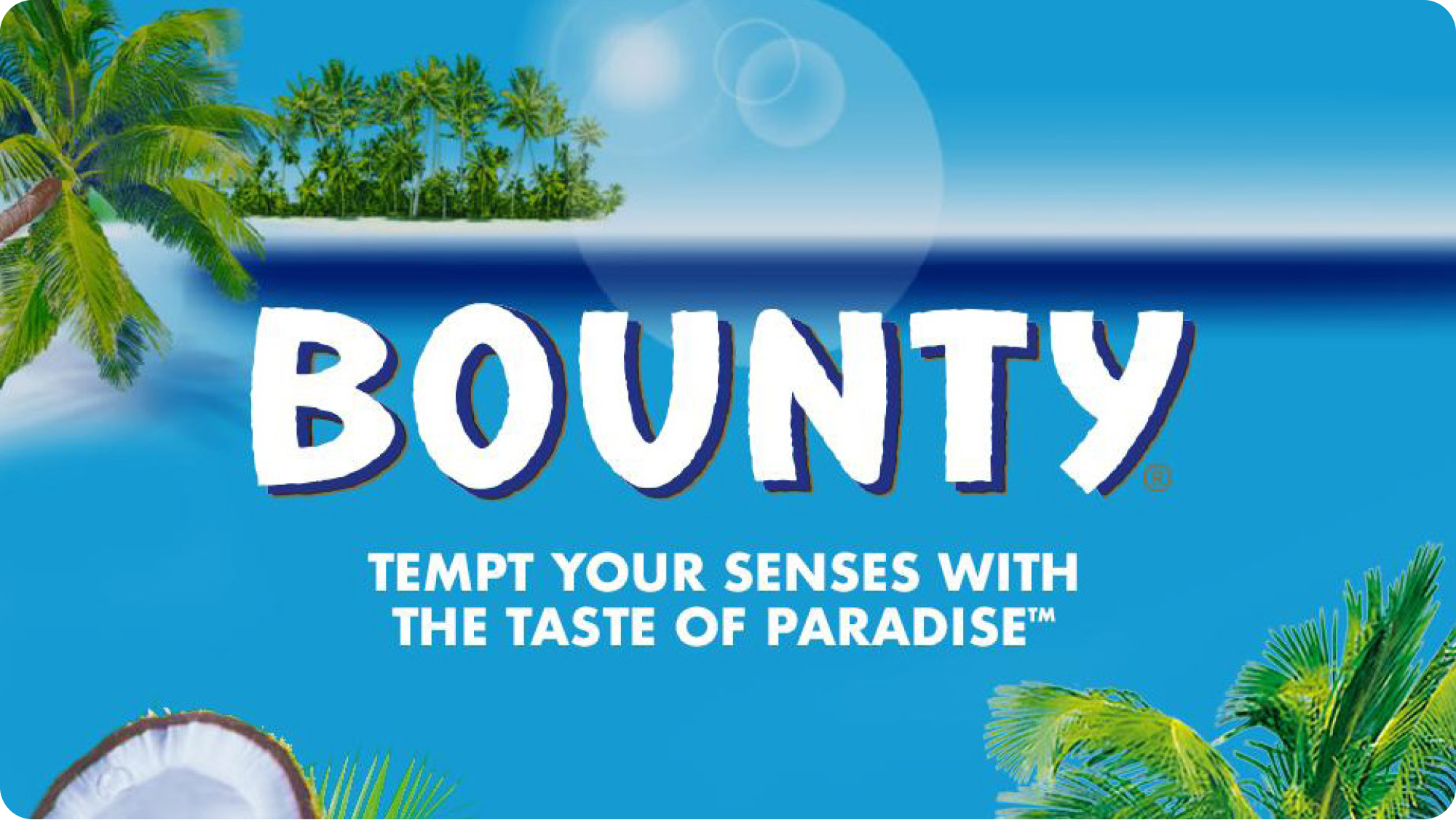
With summer holiday season just around the corner, this one felt seasonally appropriate.
And honestly, need I go any further than the strapline?
The taste of paradise.
Four words that do something most brand lines spend a fortune trying to achieve. They take you somewhere. Not to a factory in Birmingham where someone is wrapping coconut in chocolate. To a beach. To warm air. To the kind of afternoon where nothing is required of you.
Let’s set aside the great milk-versus-dark-chocolate division that has split families and quietly ruined office Celebrations tins for decades. That argument misses the point entirely. Because Bounty isn’t really about chocolate. It’s about holidays. It’s the tropical island experience delivered in a foil wrapper for the frankly audacious sum of £1.18. It’s the bar you reach for when January is being particularly brutal and you need, just for a moment, to be somewhere else. It’s coconut and sunshine and the specific joy of closing your eyes and pretending.
That’s not confectionery. That’s escapism with a best before date.
Most brands sell you what’s in the packet. Bounty sells you where you could be. And in a category full of bars leading with taste, texture and ingredients, there’s something quietly radical about a brand that leads with a feeling.
The taste of paradise. No further questions.
// From the archives – Mearsy //
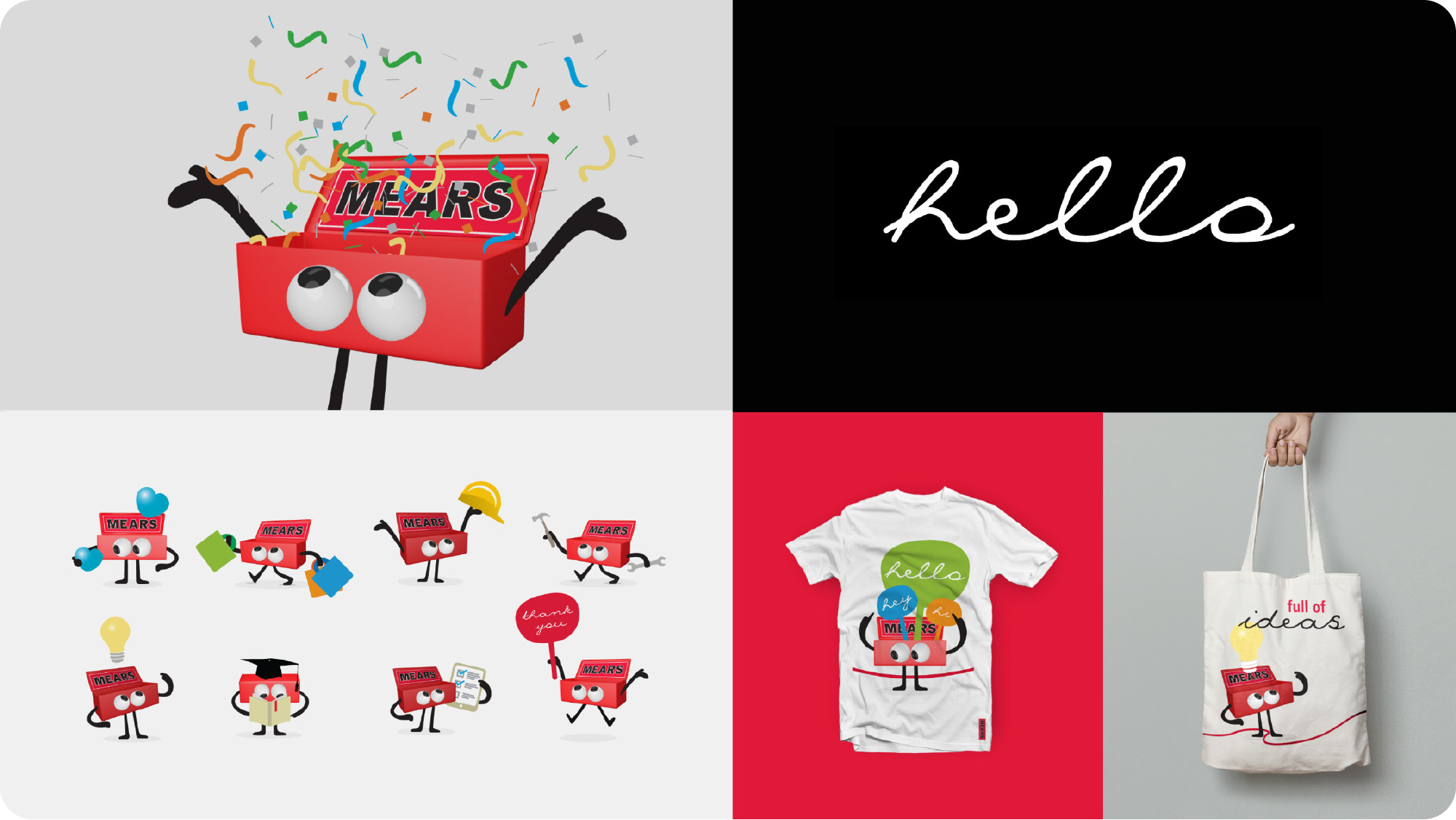
Another piece from my previous venture Atticus Creative.
How do you make an employee engagement initiative feel personal when your audience is the size of a small city? You give it a face.
Mears Group needed a way to bring their Red Thread initiative to life, a set of values and behaviours that needed to land with everyone, from head office to the van on the driveway. The brief was clear. The challenge was enormous. Generic communications weren’t going to cut it. Nobody ever felt engaged by a poster.
So we created Mearsy. A red toolbox with googly eyes, stick legs, and more personality than most people you’ll meet in a boardroom. A character who didn’t talk at staff, he talked with them. Down to earth. Open. Practical. Showing people how the Red Thread actually made a difference to their day, not just why it existed in theory.
The best internal brands don’t feel like internal brands. They feel like a colleague. Someone who gets it, who’s one of the team, who makes the culture feel lived-in rather than handed down.
Mearsy was that colleague. Twenty-three thousand people just hadn’t met him yet.
// Word of the week – Fundation™ //
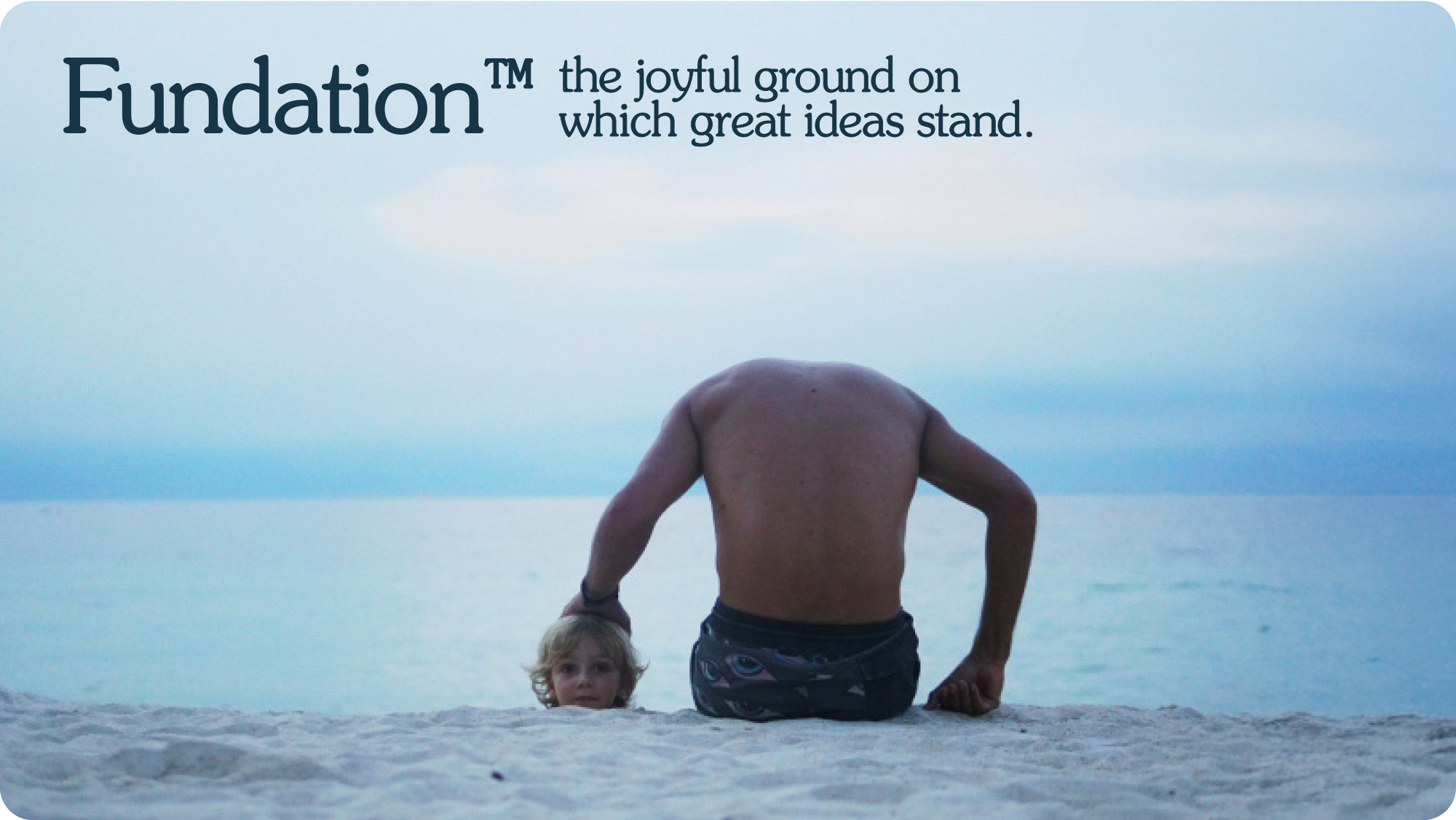
A Fundation™ isn’t built from bricks or rules, but from laughter, curiosity and purpose. It’s the spark beneath the structure, the playful part that happens before the plan.
Most brands begin with a foundation. The strategy document. The positioning statement. The brand architecture deck that takes three months to agree and sits in a folder nobody opens. Solid. Sensible. Almost completely joyless.
At Wonderment, I don’t build brands on foundations. I build brands on Fundations.
A Fundation™ is where the serious work and the joyful work meet. Where strategy and feeling become the same thing. It’s the starting point that gives a brand something to stand on and something to smile about, built not just to last, but to make people feel something from day one.
Because here’s what most brand processes get wrong: they treat rigour and joy as opposites. You can be strategic or you can be exciting. You can be grounded or you can be fun. Pick one.
You don’t have to pick one.
A Fundation™ is both. That’s where the magic begins.
// Effective or affective? Brands need to be both //
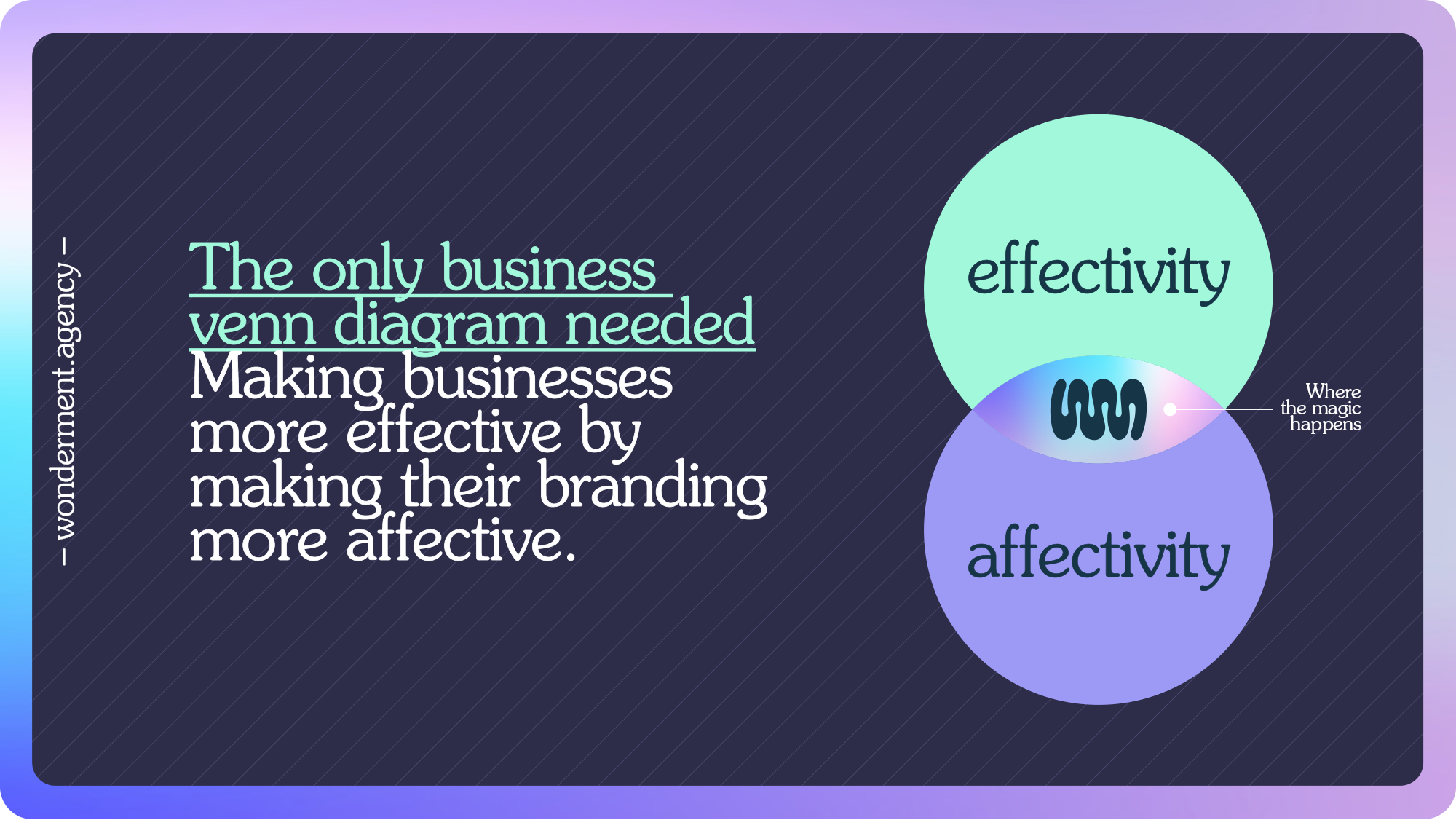
Effective businesses get results. Affective brands get remembered.
For a long time, the world treated these as opposites, the rational case versus the emotional one, the spreadsheet versus the story. But the most powerful brands alive today didn’t pick a side. They understood something simpler. When people feel something, they act.
Feeling is the mechanism. Affectivity isn’t the opposite of effectivity. It’s the engine of it.
// Who or what is Wonderment //
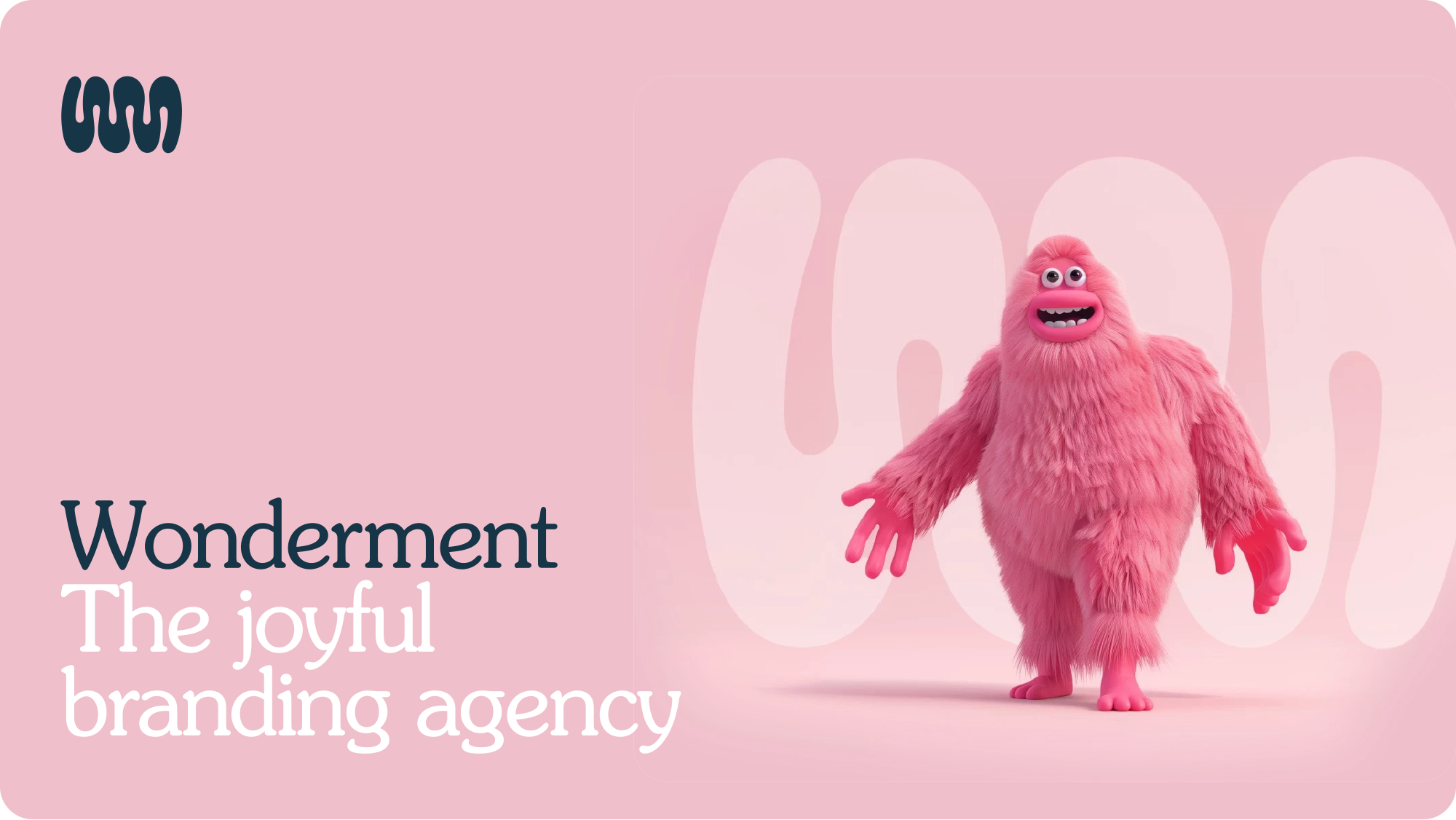
From bold beginnings to beautiful breakthroughs, I love helping brilliant people bring their ideas to life. Got something exciting brewing? Let’s make it magical together. Drop me a line – sean@wonderment.agency


Subscribe to Wonderfuel
Your fortnightly spark of Strategic Joy™, landing in your inbox every Moanday morning. Because joy isn't a reward for getting through the week it's what gets you through it. No hacks. No homework. Just one idea engineered to mess with the gloom.