Wonderfuel Issue Number 14 – The joy of a reset

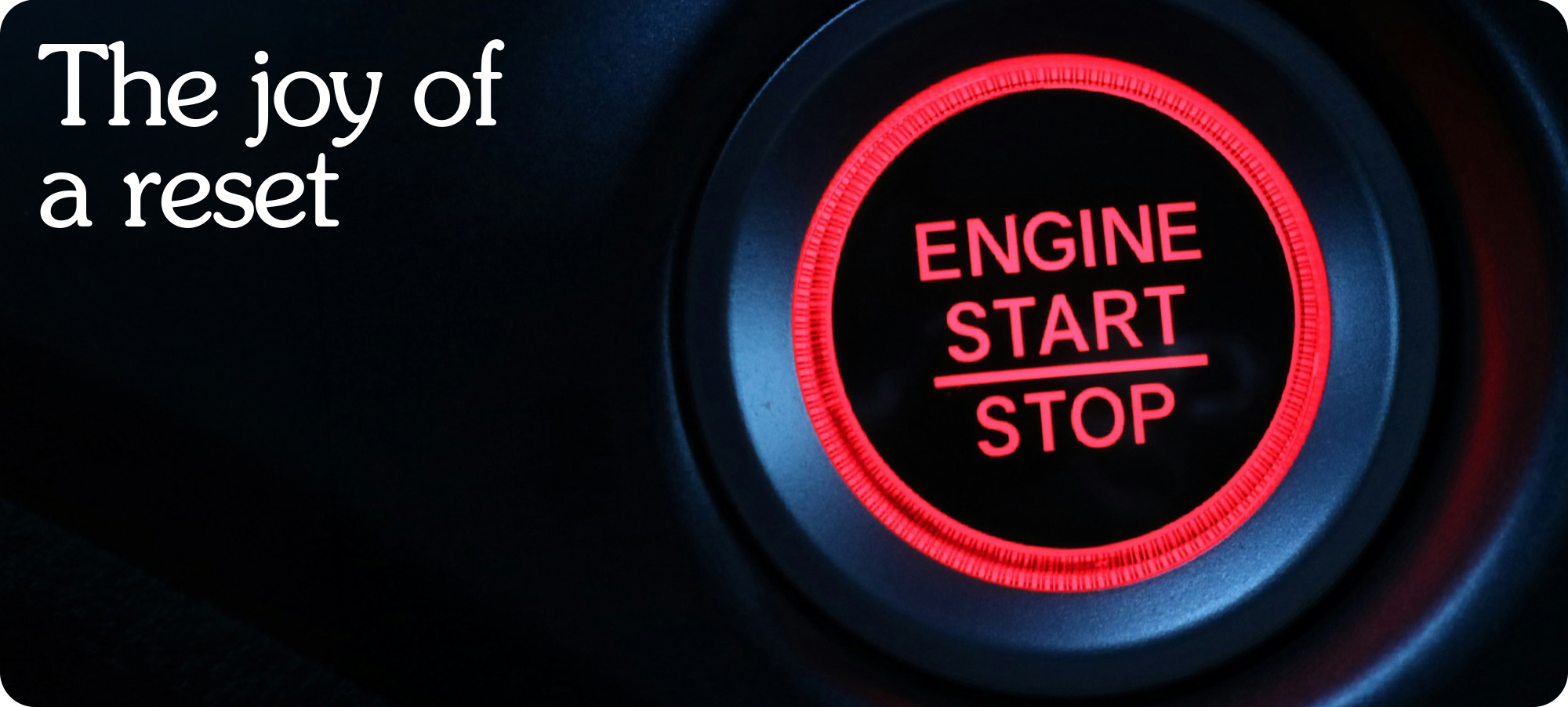
There is a moment, just after you’ve cleared everything off the desk, when the surface is completely empty and the light hits it differently and something in you exhales. Not because the work is done. Because the space is open. Because anything could go there now.
We underestimate the reset. We treat it like a consolation prize, what you do when the plan hasn’t worked, when you’ve run out of road, when the thing you were building turns out not to be the thing you were supposed to build. We call it starting over, as if that’s a lesser thing. As if beginning again from a cleaner, wiser, more honest place is somehow a step backwards.
It isn’t. The reset is one of life’s great gifts. The chance to bring everything you’ve learned and none of the baggage. To make different choices with the same hands. To build something that fits who you actually are now, not who you were when you started.
Joy doesn’t always arrive in the building. Sometimes it arrives in the clearing. In the moment you put down the thing that was never quite right and feel, underneath all the fear, something that feels dangerously like relief.
The empty desk isn’t the end of the story. It’s where the good bit starts.
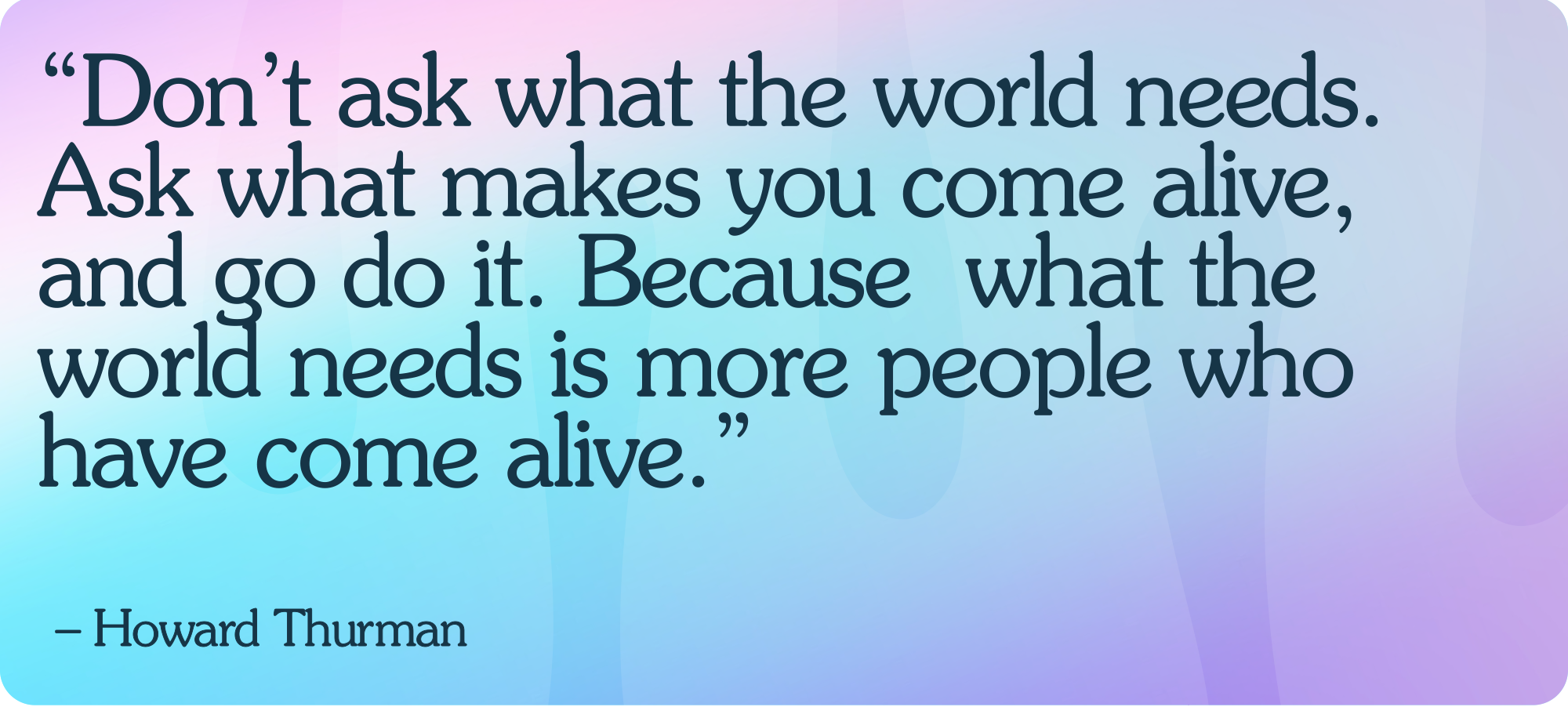
// Quote of the week //
// The founder diary //
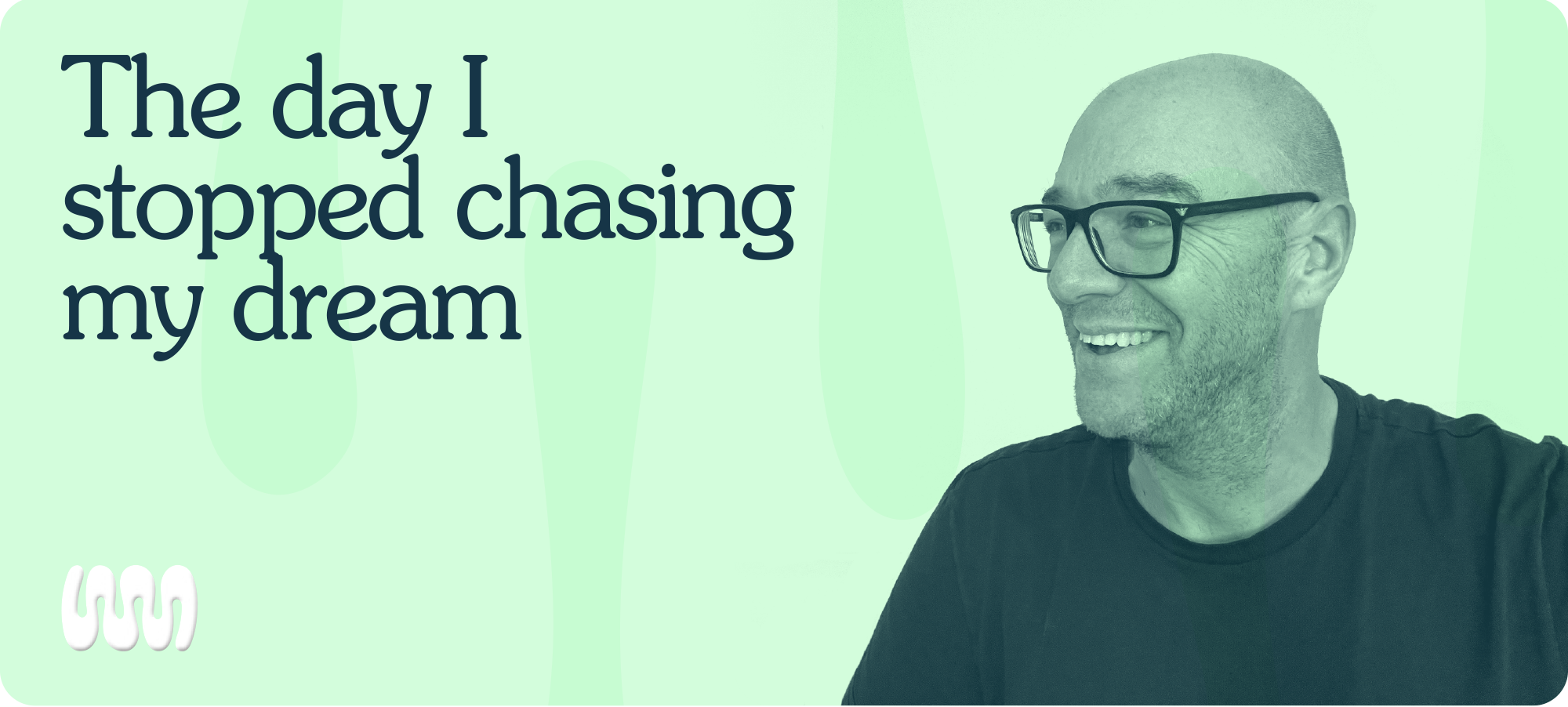
For years, running my own agency was the dream. I’d wanted it since I was young enough to not really understand what it meant. My own studio. My name above the door. The work I wanted, the people I chose, the creative freedom I’d always craved.
I got it. And for a while, it was everything I’d imagined.
But somewhere along the way, without me quite noticing, the dream curdled. The clients became transactional relationships built on invoices rather than ideas. The work stopped exciting me. The business took on a shape I didn’t recognise and didn’t particularly like, and my role within it bore almost no resemblance to the one I’d signed up for. I was doing the wrong things for the wrong reasons and I was doing them badly because none of it felt like mine anymore.
And then close to me, sat me down and told me, plainly, that I wasn’t well. Not professionally. Physically. That the stress, the compromise, the daily grind of being somewhere deeply wrong for you, it had started to show up in my body. That hit differently.
But still I stayed.
Because leaving meant admitting the dream hadn’t worked. Because walking away from your own agency the thing you built, the thing you fought for, felt like failure with a capital F.
My pride had become the lock on the door and I kept telling myself that if I just held on a little longer, it would come back. The dream would come back.
It didn’t come back. Because it wasn’t a dream anymore. It was a cage I’d built myself and decorated with old ambitions.
The day I finally left was one of the most frightening days of my life. It was also the beginning of everything good that came after the clarity, the reset, the building of something that was genuinely, entirely, joyfully mine.
Wonderment wasn’t plan A. It was what happened after I let plan A go.
Sometimes the bravest thing you can do isn’t chase the dream harder. It’s admit it’s become a nightmare and walk towards the light anyway.
// The joyful brand – IKEA //
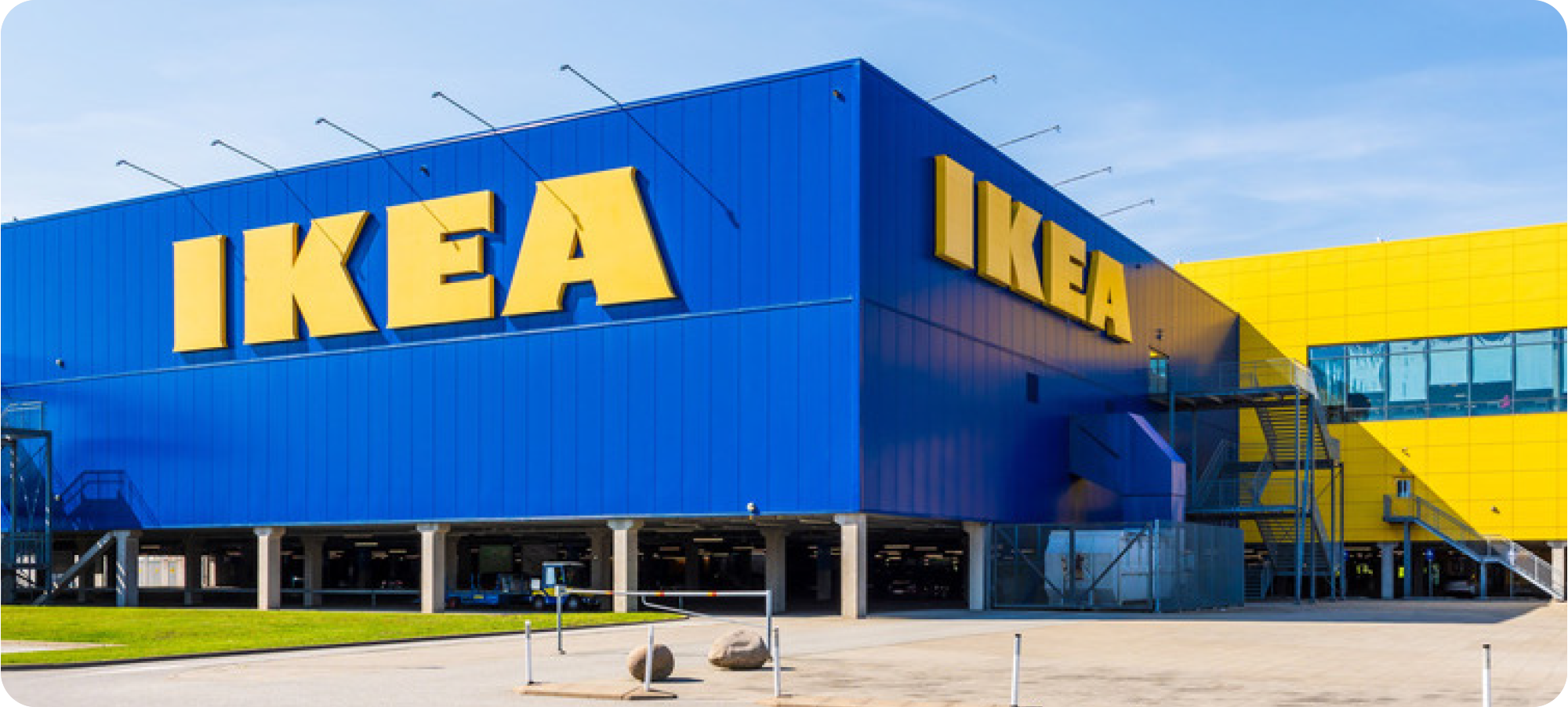
IKEA shouldn’t be joyful.
It’s a warehouse. A very large warehouse full of flat things in flat boxes with names that are impossible to pronounce and instructions that contain no words whatsoever.
You go in for a lamp and come out two hours later with a trolley full of things you didn’t know existed and a vague sense that you’ve been somewhere.
And yet. There is something undeniably, stubbornly joyful about IKEA.
The meatballs at eleven in the morning. The tiny pencils you pick up without knowing why. The room sets that make you briefly believe you could live a completely different, considerably more organised life. The product names like Billy, Poäng, Kallax that somehow make a bookshelf feel like a character rather than a purchase.
What IKEA understood, long before most brands caught up, is that joy isn’t reserved for luxury. That beautiful things, thoughtfully designed, belong to everyone not just people who can afford to pretend otherwise.
Democratic design isn’t a positioning statement, it’s a belief. And a belief, when it runs through every product, every store, every flat-packed box and lingonberry jam, becomes a feeling.
You don’t just buy something at IKEA. You carry home a version of a life you want to live. In twelve pieces. With an allen key and a quietly unshakeable sense of optimism.
That’s not retail. That’s joy, made affordable and put in a box.
// From the archives – Princess Grace Hospital Logo //
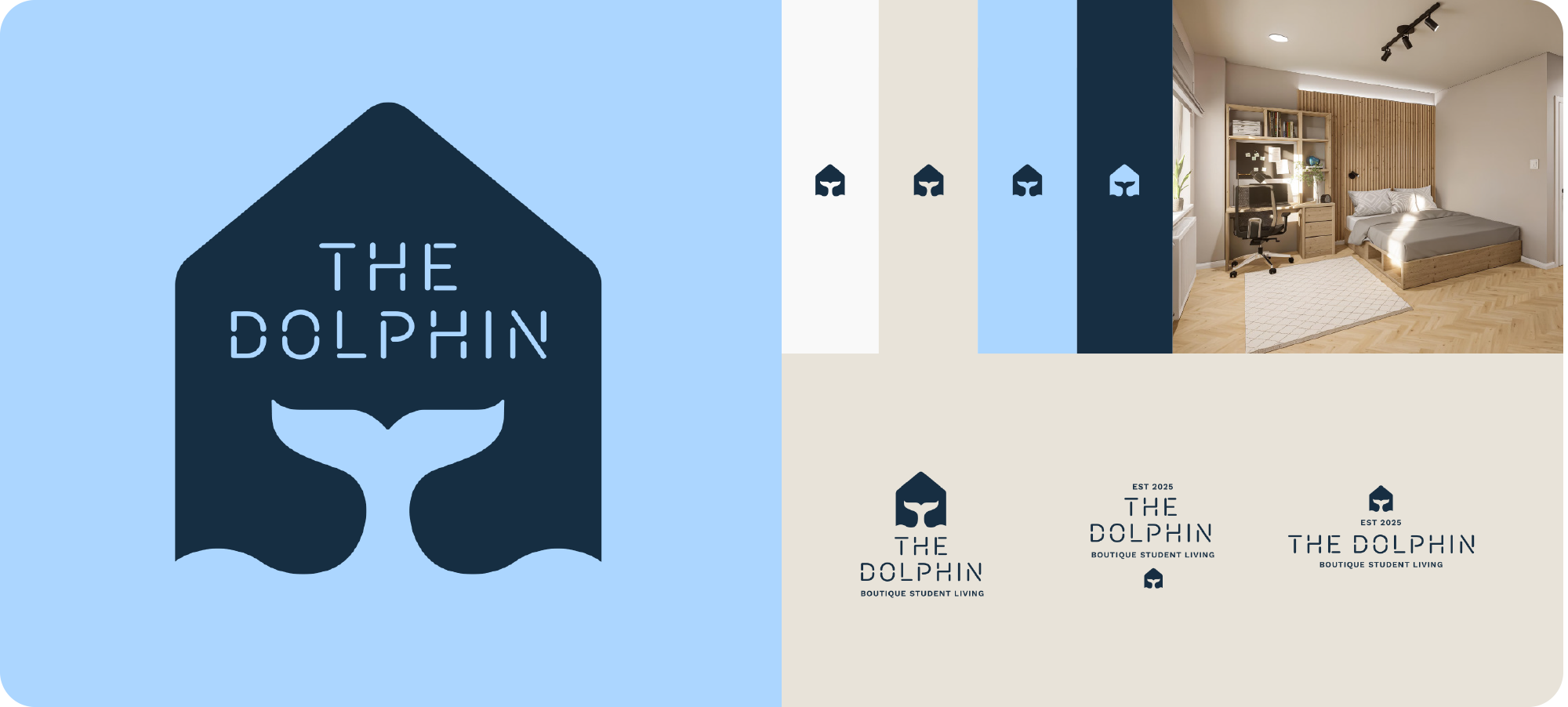
Some briefs arrive already carrying a story. This was one of them.
The Dolphin Hotel sits in the heart of Southampton, a building with genuine heritage, genuine character and genuine bones. It was being reimagined as boutique student accommodation, which is exactly the kind of brief that can go one of two ways. You either honour what’s there and build something that earns its place in the history of the building, or you slap a logo on it and move on. I was never going to do the second thing.
The starting point was already inside. A simple, iconic dolphin motif, quietly living within the building’s fabric, waiting to be noticed. We noticed it. And once you see it you can’t unsee it the kind of detail that tells you everything about where a brand should come from and why.
From there it was about balance. The dolphin gave us the heritage. A modern serif gave us the freshness. Tradition and contemporaneity in the same breath, neither apologising for the other. The logo system was designed to rotate and adapt, descriptors sitting within it for wayfinding and signage, a flexible identity that understood it would have to live and work in physical space, on walls, on doors, in corridors, in all the places a student would actually encounter it day to day.
The result is a brand that feels like it always belonged there. Refined, characterful, rooted in the building’s past but speaking fluently to the people moving into its future. The Dolphin doesn’t just look the part. It feels like itself.
That’s the only brief that ever really matters.
// Word of the week – Joyry™ //
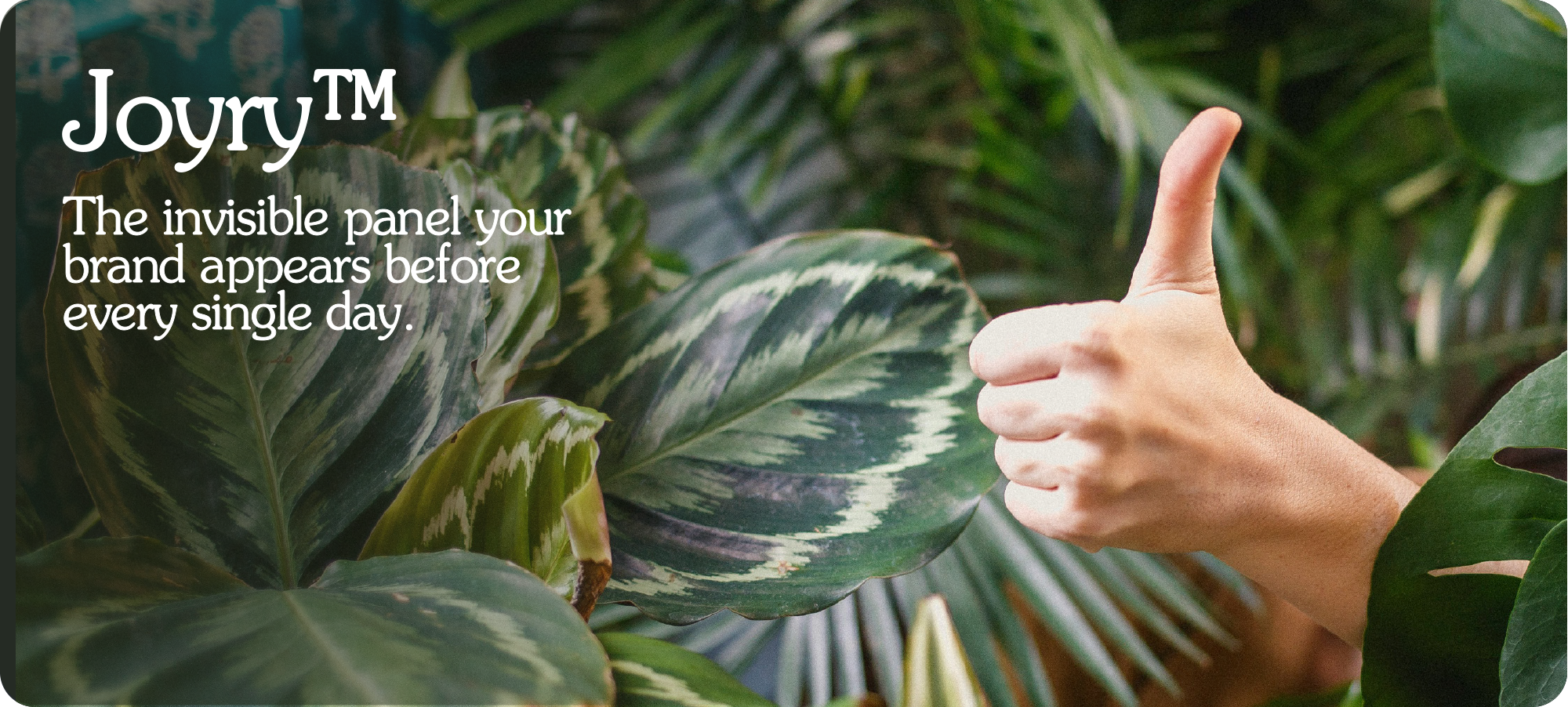
Not a jury, but a Joyry™.
The invisible panel your brand or business appears before every single day. They don’t announce their verdict. They just buy from someone else, or they don’t.
No deliberation. No feedback form. The Joyry doesn’t explain itself and it doesn’t give second chances. It simply feels something when it encounters your brand or it doesn’t. It trusts you or it doesn’t. It chooses you or it doesn’t.
Most brands have no idea the Joyry even exists. They’re busy optimising their website, tweaking their logo, writing another post about their values. Meanwhile the Joyry has already decided. Not based on your strategy document. Not based on your credentials. Based on how you made them feel in the three seconds before logic got involved.
You can’t bribe the Joyry. You can’t fool it. You can only earn it’s trust by being so clear, so warm, so genuinely joyful in everything you do, that the verdict writes itself.
What will their verdict be today on your business or brand?
// Who or what is Wonderment? //
Wonderment is the joyful branding agency. We make businesses more effective by making their branding more affective. Wonderment isn’t just a name. It’s something wonderful, done on purpose. Something meant.
Got something exciting brewing, drop me and email let’s chat.


Subscribe to Wonderfuel
Your fortnightly spark of Strategic Joy™, landing in your inbox every Moanday morning. Because joy isn't a reward for getting through the week it's what gets you through it. No hacks. No homework. Just one idea engineered to mess with the gloom.