When joy became the entry fee to the most joyless of sectors
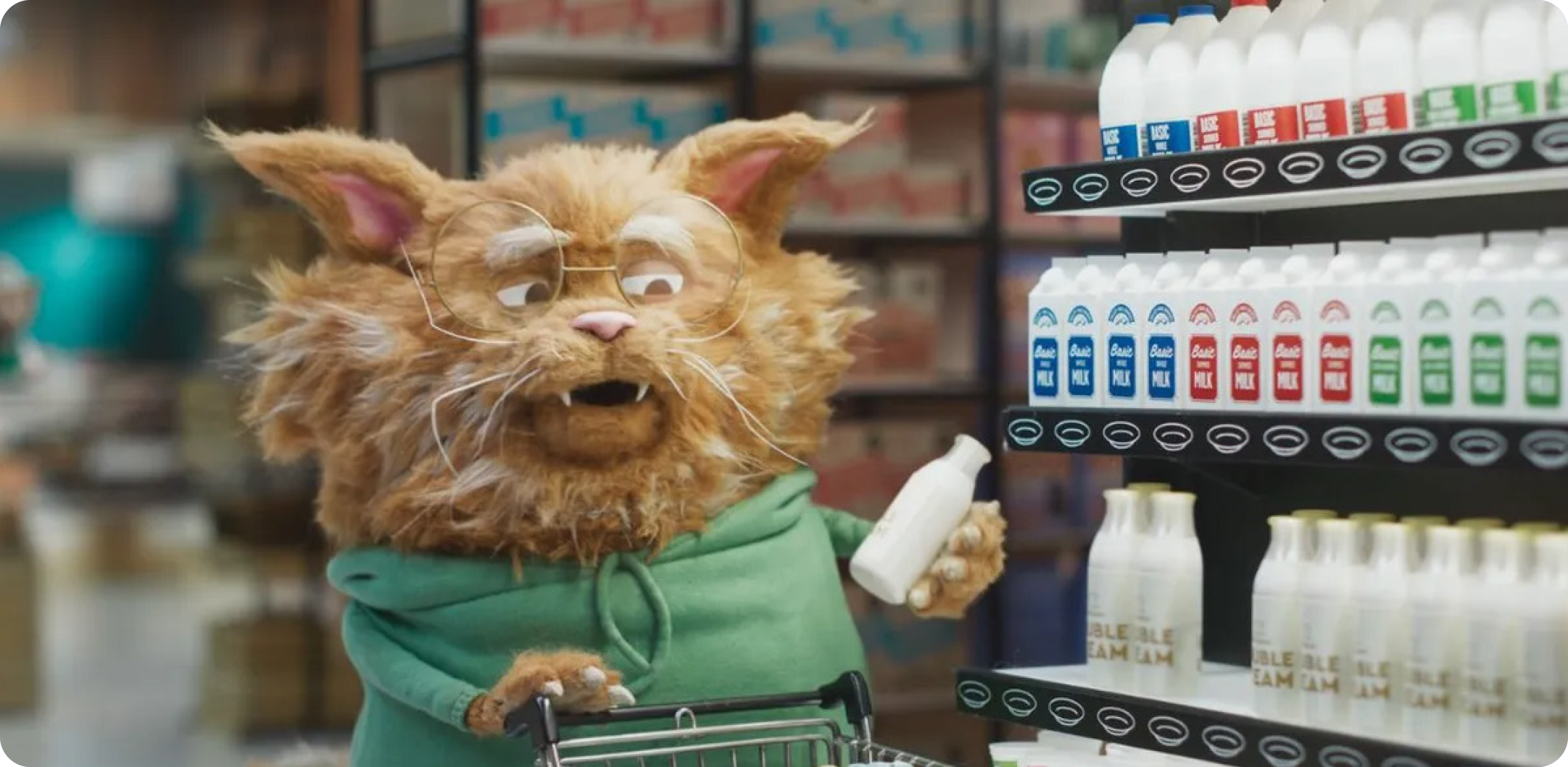
Insurance. Well even more mundane. Comparing it.
Insurance comparison.
Lok at the UK insurance comparison market today, it is absolutely full of characters, humour, entertainment, silliness, rewards, stories and enormous amounts of joy.
But lets be very clear it certainly didn’t start that way.
In the beginning, comparison sites had a pretty straightforward job. Compare lots of insurance policies and companies. Find you a cheaper quote. Save you some money. Very useful, totally rational but completely dull as dishwater.
Then, in 2009, something rather wonderful happened, creative agency VCCP walked into the boardroom at Compare the Market with an aristocratic Russian meerkat called Aleksandr Orlov. The whole idea rested on an almost ridiculously simple piece of wordplay.
Compare the Market. Compare the Meerkat.
That was it. Those simple words. But instead of treating it as a funny little advertising gag, Compare the Market built a world around it. Aleksandr has a personality. A voice. A history. Friends. A Family. Catchphrases. Mascots. Rewards. Basically an entire meerkat universe.
But the most important thing of all, people bloody loved it.
The campaign launched in January 2009 and Compare the Market went from the 16th most visited UK insurance website to fourth, while sales doubled. Research Live describes the meerkats as having ‘achieved exceptional recognition and longevity’, with VCCP and Compare the Market still working together more than 17 years later.
Something huge happened in this moment. Compare the Market didn’t just change its advertising, it changed the entire entry point of the category into an emotionally led one.
Once a single business proves that you can behave completely differently in a category, everyone else has a decision to make. Carry on talking about premiums, quotes and savings or join the party. And the entire insurance comparison sector most definitely joined the party.
So here is a little timeline of this rather wonderful joy arms race.
2009
Compare the Market: Enter the meerkat
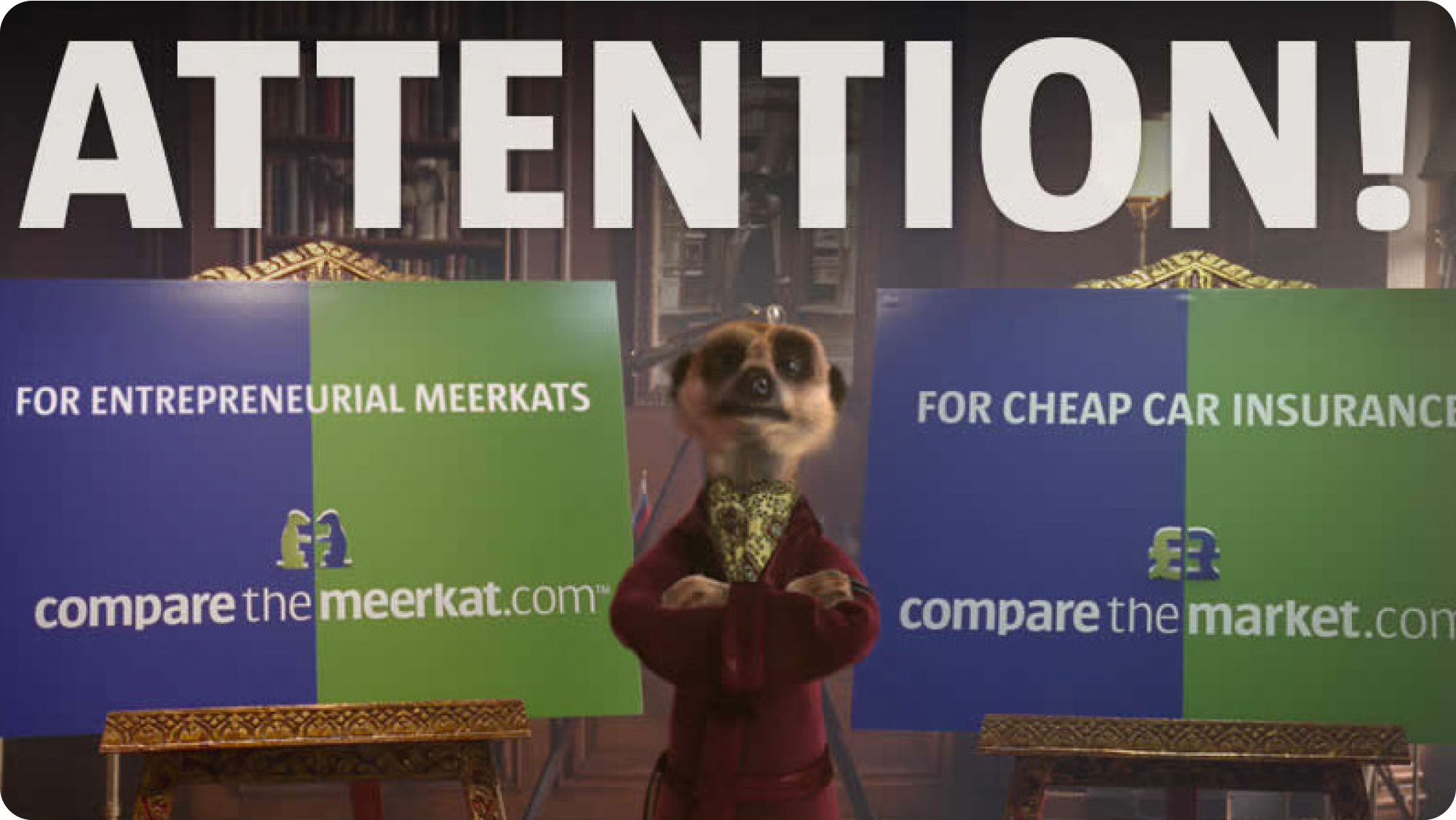
Aleksandr Orlov arrives courtesy of VCCP and suddenly one of the driest purchasing decisions imaginable has a character, comedy, storytelling and the word 'simples' attached to it.
This is the moment for me. The product itself hasn't changed at all. Insurance comparison itself hasn't magically become more exciting, but the feeling around choosing it has. Compare the Market had created what I call an their Affective Advantage™, an advantage built not simply around what a business does, but around how it makes people feel.
2009
GoCompare: Send in the opera singer

Later that same year, GoCompare introduces Gio Compario, played by Welsh tenor Wynne Evans. An Italian opera singer repeatedly belting out the name of an insurance comparison website shouldn't make any sense whatsoever, which is precisely why it does.
Go.Compare says Gio has been part of the brand since 2009, while the business has reported that the character helped it achieve extraordinarily high awareness, 97% according to its own account of the campaign's evolution.
Was he annoying? You bet he was. But being irritatingly memorable is still a considerably better commercial position than being pleasantly invisible.
Recently in 2024, Ragged Edge gave Go.Compare and Gio an overhaul, turning him into an illustrated character designed to live across the whole brand. I love the work, but personally I think something got lost. Gio became slightly less memorable. Sometimes the rough edge is the memorable edge.
2013
Confused.com: Bring on Brian
Confused.com was actually the old hand of the comparison category, tracing its history back to 2002 and describing itself as the longest-running comparison site. But by 2013, something had clearly changed around it.
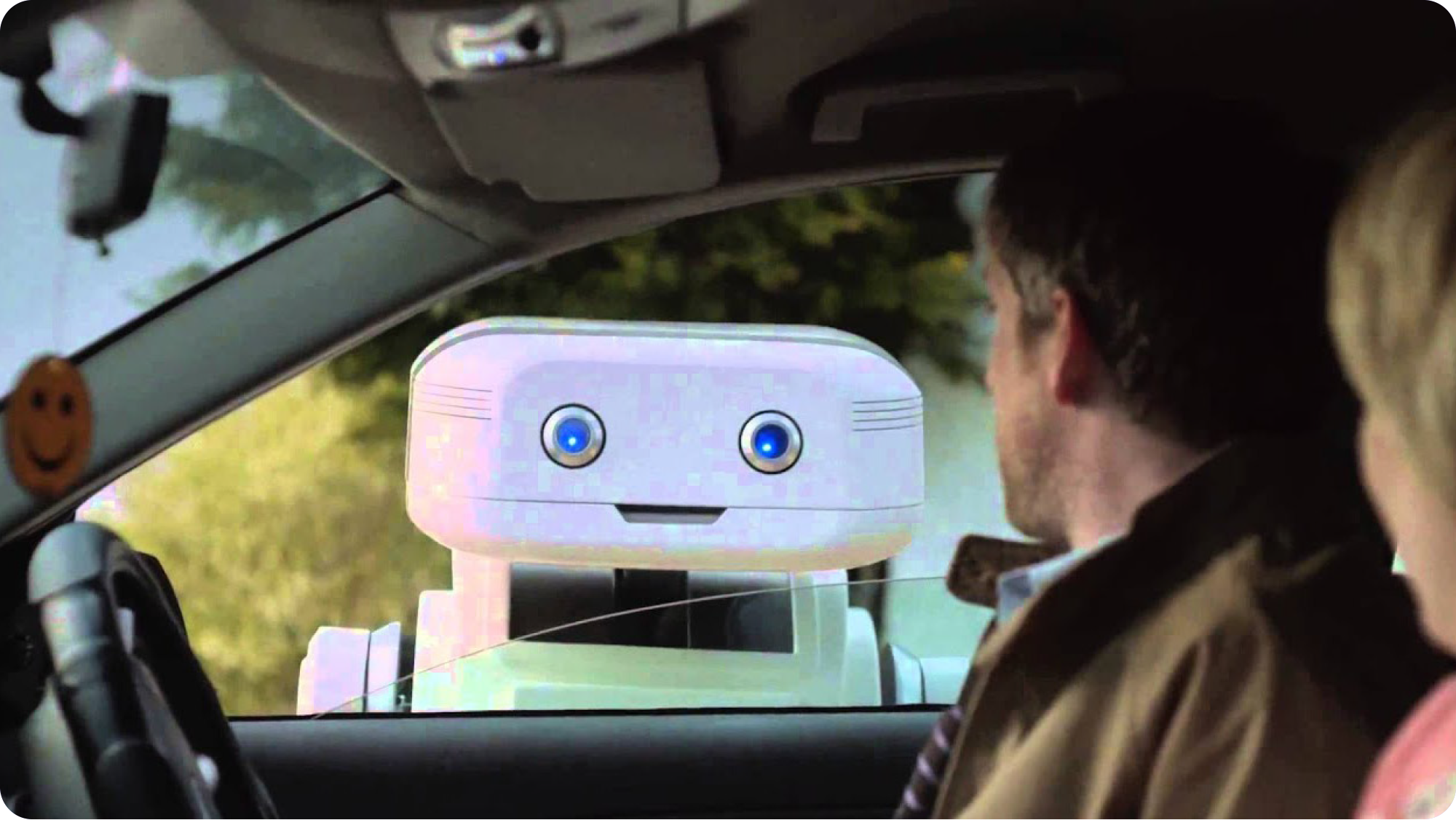
Enter Brian. A slightly awkward, ridiculously enthusiastic insurance-comparison robot created by Publicis London. And here's the really interesting bit. Confused.com's marketing director said at the time that its previous character worked as a logo but wasn't the kind of 'ad icon' required in a market containing the meerkats and Gio Compario.
There it is. Just like that the category had changed and having a functional proposition wasn't enough anymore.
You needed memory, personality and most importantly entertainment. You needed to be felt.
Confused.com has kept pushing that feeling. More recently, its Just Used Confused.com campaign showed people literally inflating and floating away after sorting their insurance, before real life brings them crashing back down. I love it because it doesn't really show us what Confused.com does. It shows us how Confused.com wants us to feel.
And now most recently we have handcrafted animals bringing familiar sayings to life: the cat that got the cream, the early bird getting the worm and Pig and Sheep laughing until Cow comes home.
We've reached the point where a puppet cow selling insurance comparison somehow feels completely normal.
2015
MoneySuperMarket: Things get EPIC

MoneySuperMarket looked at the meerkat, the opera singer and the robot and apparently decided what insurance comparison really needed was a businessman called Dave strutting down the street in denim shorts and high heels.
You're so MoneySuperMarket.
The Epic Strut campaign from Mother took the emotional escalation somewhere else again. It wasn't really advertising insurance comparison anymore. It was pure entertainment. The mundane transaction of saving money had been turned into a feeling of swagger, liberation and ridiculous celebration.
And that's where this story gets much more interesting than a collection of funny adverts.
Because look at the journey:
Compare the Market — Character
A meerkat makes comparison entertaining.
Go Compare — Performance
An opera singer makes comparison impossible to ignore.
Confused.com — Personality
A robot makes expertise playful.
Moneysupermarket — Entertainment
Saving money becomes something worth strutting about.
Different brands with creative ideas all using very different expressions of joy, but together they tell us something fascinating about how categories evolve. The exception became the expectation. I have always believed that the more mundane the business the bigger the opportunity to create the unexpected. The moments of magic. Because nobody expects joy from insurance or accountancy or logistics or recruitment or financial services or any of the hundreds of categories that have collectively decided the safest thing to do is behave exactly like everybody else. And that's precisely why the opportunity is so enormous.
In 2009, a Russian meerkat in an insurance advert was unexpected, but by the middle of the following decade, an opera singer, a robot and a bloke dancing around in denim hot pants didn't seem particularly strange at all.
Joy had gone from disruption to convention and I think that gives us an important lesson about differentiation. Your Affective Advantage™ doesn't last forever simply because you found it first. Competitors notice, customers recalibrate their thoughts, categories catch up and the extraordinary slowly becomes ordinary. And eventually the thing that once made you different becomes the minimum required simply to compete.
Joy became the entry fee.
That's what I find so fascinating about insurance comparison. Compare the Market didn't just create a hugely successful advertising campaign. It helped demonstrate that an incredibly functional category could compete through feeling and once audiences experienced that, there was no putting the beige genie back in the bottle.
Today, being functional is simply expected. Your website has to work, your quotes have to appear, your prices have to be competitive. But that's all effectivity. In a market where everybody can do those things, the bigger battleground becomes affectivity.
Who are the ones who get remembered? Who do people end up talking about? Who makes an otherwise mundane experience enjoyable? Who creates the feeling people want to come back to? And who has the courage to do the one thing that makes absolutely no sense according to the existing rules of their category?
Somewhere, in some wonderfully brave boardroom in 2009, somebody said yes to a Russian meerkat selling car insurance. And everybody else had to get a lot more interesting. That's what happens when your competitive advantage becomes everybody else's entry fee.
So perhaps the question isn't whether there's room for more joy in your sector. Perhaps it's this:
What feels ridiculous in your category today, but could feel completely normal in ten years' time?
And I keep coming back to that boardroom at Compare the Market in 2009. Surely there was a killjoy somewhere in it. Someone looking across the table at VCCP thinking: 'We're a serious financial comparison business and you want us to do WHAT with a Russian meerkat?'
Maybe there wasn't. But somebody still had to be brave enough to say yes. And if there was a killjoy in the room, I hope someone gently pointed them towards the numbers afterwards.
+ Sales doubled.
+ 97% awareness.
Before everyone else is doing it, joy can look ridiculous. Once everybody else is doing it, it looks obvious. Seventeen years later we have meerkats, opera singers, robots, people floating like balloons, puppet cows and whatever joyful lunacy comes next.
The killjoy lost. The meerkat won.
....
I’m Sean Cornell, Founder and Chief Brand Enjoyneer™ at Wonderment, the seriously joyful branding agency. I make businesses more effective by making their branding more affective, transforming fundamental businesses into wondermental brands.
If you’re serious about starting the joyvolution in your sector, we should talk.
And the killjoy in your boardroom?
Just show them the numbers above.


Subscribe to Wonderfuel
Your fortnightly spark of Strategic Joy™, landing in your inbox every Moanday morning. Because joy isn't a reward for getting through the week it's what gets you through it. No hacks. No homework. Just one idea engineered to mess with the gloom.